Tampilkan postingan dengan label white tea. Tampilkan semua postingan

Senin, 01 September 2008

White Tea Health Benefits

A perennial favorite in Asia and China, white tea is gaining in popularity in the West. Impressive evidence of its nutritional benefits is encouraging the surge in popularity of this 5,000-year-old beverage.

Health Benefits of White Tea

Undergoing less processing than many other tea varieties, white tea can have ten times the antioxidant power of vitamin E and impressively high concentrations of polyphenols and catechins. It can also help lower cholesterol and inhibit the development of cancer cells. Side benefits include white tea's ability to help increase bone density, aid the immune system, and help lower blood pressure.

Varieties of White Tea

White tea gets its distinctive appearance and name from the white to silver hairs that are visible on the closed buds of the tea plant, and is comprised of a number of varieties. White peony and silver needle are among the most valuable, but other popular varieties are tribute eyebrow, white Darjeeling, and long life eyebrow.

Silver Needle White Tea (Baihao Yinzhen)

Taken exclusively from buds of the tea plant before opening, silver needle tea is not rolled, fired, or fermented. The harvested buds are steamed and dried, resulting in the finest quality white tea. Silver needle tea has a delicate flavor and resembles a handful of green-gray to silver needles, the visual characteristic for which it is named.

White Peony Tea (Bai Mudan)

Somewhat stronger in flavor than silver needle tea, white peony is taken from the bud and the first few leaves of the tea plant (not the peony).

Brewing White Tea

The White tea needs a lower water temperature for optimum flavor. According to the White Tea Guide, the leaves can be reused several times, but should be steeped longer than in the initial brewing.

Tea is an occasion as well as a beverage. White tea, one of the most delicate and now possibly healthiest, offers a refined flavor and aroma for the discriminating tea enthusiast.

Tea Tips

Keep your tea container sealed and in a cool dark place. Water temperature requirements vary depending on the tea variety you are trying, as do the recommended steep times. White tea is great, but don't stop there. Exploring tea can be a great hobby that's also good for you.

Minggu, 17 Agustus 2008

Health Benefits of Tea

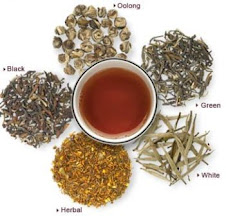
Tea is the most commonly consumed beverage in the world after water. Among all varieties of tea - black, green, white, oolong, red, herbal - which one offers the most health benefits?

Benefits of Tea
Numerous studies have demonstrated the anti-cancer properties of antioxidant polyphenols. Some studies have suggested that tea's polyphenols may reduce the risk of gastric, esophageal and skin cancers, if one consumes 4 to 6 cups daily. Other studies have found that polyphenols help prevent blood clotting and lower cholesterol levels. One Japanese study found that green tea lowers death rates from heart disease.

Tea: Black, Green, White or Oolong?
Black, green, white, and oolong teas derive their leaves from a warm-weather evergreen tree known as Camellia sinensis. The leaves from this tree contain polyphenols. The more processing tea leaves undergo, the darker they will turn. Green tea and white tea are the least processed tea. According to Dr. Doug Balentine, Director of Nutrition Health with Lipton, white tea is derived from the young new leaves from the Camellia plant in early spring. Black and oolong teas are partially dried, crushed and fermented. As we have mentioned before, regardless of the processing method, black, green, white and oolong teas all contain polyphenols. In fact, tea ranks as high as or higher than many fruits and vegetables in the ORAC score, a score that measures antioxidant potential of plant-based foods.

What about Herbal Tea and Red Rooibos Tea?
The recently popular South African red Rooibos tea also falls within the herbal tea or tisane category. "Red Rooibos tea is not really tea as it is not derived from the Camellia plant," Dr. Balentine said.