Tampilkan postingan dengan label health benefits. Tampilkan semua postingan

Senin, 01 September 2008

White Tea Health Benefits

A perennial favorite in Asia and China, white tea is gaining in popularity in the West. Impressive evidence of its nutritional benefits is encouraging the surge in popularity of this 5,000-year-old beverage.

Health Benefits of White Tea

Undergoing less processing than many other tea varieties, white tea can have ten times the antioxidant power of vitamin E and impressively high concentrations of polyphenols and catechins. It can also help lower cholesterol and inhibit the development of cancer cells. Side benefits include white tea's ability to help increase bone density, aid the immune system, and help lower blood pressure.

Varieties of White Tea

White tea gets its distinctive appearance and name from the white to silver hairs that are visible on the closed buds of the tea plant, and is comprised of a number of varieties. White peony and silver needle are among the most valuable, but other popular varieties are tribute eyebrow, white Darjeeling, and long life eyebrow.

Silver Needle White Tea (Baihao Yinzhen)

Taken exclusively from buds of the tea plant before opening, silver needle tea is not rolled, fired, or fermented. The harvested buds are steamed and dried, resulting in the finest quality white tea. Silver needle tea has a delicate flavor and resembles a handful of green-gray to silver needles, the visual characteristic for which it is named.

White Peony Tea (Bai Mudan)

Somewhat stronger in flavor than silver needle tea, white peony is taken from the bud and the first few leaves of the tea plant (not the peony).

Brewing White Tea

The White tea needs a lower water temperature for optimum flavor. According to the White Tea Guide, the leaves can be reused several times, but should be steeped longer than in the initial brewing.

Tea is an occasion as well as a beverage. White tea, one of the most delicate and now possibly healthiest, offers a refined flavor and aroma for the discriminating tea enthusiast.

Tea Tips

Keep your tea container sealed and in a cool dark place. Water temperature requirements vary depending on the tea variety you are trying, as do the recommended steep times. White tea is great, but don't stop there. Exploring tea can be a great hobby that's also good for you.

Minggu, 24 Agustus 2008

Green Tea (Catechin) Ingredient May Promote Healthy Weight Loss

Aside from fighting heart disease, cancer, and other diseases, a new study shows that drinking green tea may also fight fat. The study showed that people who drank a bottle of tea fortified with green tea extract every day for three months lost more body fat than those who drank a bottle of regular oolong tea.Researchers say the results indicate that substances found in green tea known as catechins may trigger weight loss by stimulating the body to burn calories and decreasing body fat.The findings appear in the January issue of the American Journal of Clinical Nutrition.

Green Tea: Fat Fighter?
Black tea, oolong tea, and green tea come from the same Camellia sinensis plant. But unlike the other two varieties, green tea leaves are not fermented before steaming and drying.

Most teas contain large amounts of polyphenols, which are plant-based substances that have been shown to have antioxidant, anticancer, and antiviral properties.

However, green tea is particularly rich in a type of polyphenols called catechins. These substances have also been shown to have anti-inflammatory and anticancer properties, but recent research in animals show that catechins may also affect body fat accumulation and cholesterol levels.

In this study, researchers looked at the effects of catechins on body fat reduction and weight loss in a group of 35 Japanese men. The men had similar weights based on their BMI(body mass index, an indicator of body fat) and waist sizes.

The men were divided into two groups. For three months, the first group drank a bottle of oolong tea fortified with green tea extract containing 690 milligrams of catechins, and the other group drank a bottle of oolong tea with 22 milligrams of catechins.

During this time, the men ate identical breakfasts and dinners and were instructed to control their calorie and fat intake at all times so that overall total diets were similar.

After three months, the study showed that the men who drank the green tea extract lost more weight (5.3 pounds vs. 2.9 pounds) and experienced a significantly greater decrease in BMI, waist size, and total body fat.

In addition, LDL "bad" cholesterol went down in the men who drank the green tea extract.

The catechin content varies by amount of green tea used and steeping time. But general recommendations, based on previous studies on the benefits of green tea, are at least 4 cups a day. Green tea extract supplements are also available.

Researchers say the results indicate that catechins in green tea not only help burn calories and lower LDL cholesterol but may also be able to mildly reduce body fat.

"These results suggest that catechins contribute to the prevention of and improvement in various lifestyle-related diseases, particularly obesity," write researcher Tomonori Nagao of Health Care Products Research Laboratories in Tokyo, and colleagues.

Reference
By Jennifer Warner
WebMD Medical News
Reviewed By Michael Smith, MD
on Wednesday, January 26, 2005
http://my.webmd.com/content/article/99/
105398.htm

Minggu, 17 Agustus 2008

Health Benefits of Tea

Tea is the most commonly consumed beverage in the world after water. Among all varieties of tea - black, green, white, oolong, red, herbal - which one offers the most health benefits?

Benefits of Tea
Numerous studies have demonstrated the anti-cancer properties of antioxidant polyphenols. Some studies have suggested that tea's polyphenols may reduce the risk of gastric, esophageal and skin cancers, if one consumes 4 to 6 cups daily. Other studies have found that polyphenols help prevent blood clotting and lower cholesterol levels. One Japanese study found that green tea lowers death rates from heart disease.

Tea: Black, Green, White or Oolong?
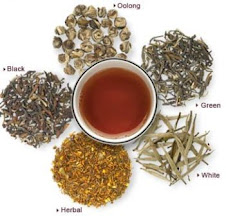
Black, green, white, and oolong teas derive their leaves from a warm-weather evergreen tree known as Camellia sinensis. The leaves from this tree contain polyphenols. The more processing tea leaves undergo, the darker they will turn. Green tea and white tea are the least processed tea. According to Dr. Doug Balentine, Director of Nutrition Health with Lipton, white tea is derived from the young new leaves from the Camellia plant in early spring. Black and oolong teas are partially dried, crushed and fermented. As we have mentioned before, regardless of the processing method, black, green, white and oolong teas all contain polyphenols. In fact, tea ranks as high as or higher than many fruits and vegetables in the ORAC score, a score that measures antioxidant potential of plant-based foods.

What about Herbal Tea and Red Rooibos Tea?
The recently popular South African red Rooibos tea also falls within the herbal tea or tisane category. "Red Rooibos tea is not really tea as it is not derived from the Camellia plant," Dr. Balentine said.

Jumat, 15 Agustus 2008

A Cup of Tea Everyday for Healthy Heart

LONDON, Jul 09 (AP) -- Drinking at least one cup of tea a day could cut the risk of heart attack by 44 percent, according to new research presented yesterday.

The study by Dr. Michael Gaziano, a heart specialist at the Harvard Medical School-affiliated Brigham and Women's Hospital in Boston, shows that tea contains powerful amounts of flavonoids -- vitamin-like nutrients that make blood cells less prone to clots, which can cause heart attacks.

Gaziano found that people who drank one or more cups of tea a day slashed their risk of heart attack by 44 percent, compared with those who did not drink tea.

John Folts, a University of Wisconsin heart specialist who studies the effects of flavonoids on the heart and was not involved in the study, said he thinks it would take more than one cup of tea a day.

Gaziano's study examined 340 men and women who had suffered heart attacks and matched them by age, sex and neighborhood with people who had never had a heart attack. It then investigated their coffee- and tea-drinking habits over the course of a year.

The study involved regular tea from black tea leaves, as opposed to green or herbal teas. Scientists say black tea contains more powerful flavonoids than green tea, while herbal teas are not known to contain any flavonoids.

Other studies have shown that it doesn't matter if milk, sugar or lemon are added to the tea. There also is no difference between drinking it hot or cold, or preparing it with loose tea leaves, tea bags or granulated crystals, said Dr. Paul Quinlan, a biochemist who heads the Brook Bond tea company's health research unit.

Few of the study subjects drank one beverage exclusively, so they were categorized by their strong preferences. The study was adjusted for factors that could have skewed the results, such as smoking, exercise, alcohol intake and family history of heart trouble.

Scientists have not compared the flavonoid benefits of tea with those of red wine, made famous by research showing that the French, with red wine as a staple, have lower rates of heart disease despite their penchant for high-fat food. However, Quinlan warned that tea is only part of a regimen for cutting heart attack risk and should not be seen as a substitute for eating fruits and vegetables, giving up smoking, cutting fat intake or other heart-healthy habits.

Selasa, 12 Agustus 2008

Black Tea and Green Tea - Anticancer

Black tea -- green tea that has been oxidized through fermentation -- contains somewhere between 3 and 10 percent of polyphenols, and semi-fermented oolong tea's polyphenol content stands somewhere between green and black. Tealeaves contain four primary polyphenols: Epigallocatechin gallate (EGCG), epigallocatechin, epicatechin gallate, and epicatechin.

Friendman joined with researchers from the South Korean universities of Keimyung, Uiduk and Yeungnam to study the effects of nine green tea catechins, three black tea theaflavins, and theanine -- extracted using either water or a water/ethanol mix -- on human cancer cells and normal cells. The majority of the compounds, and all general tea extracts, reduced human breast, colon, liver and prostate cancer cells. The water/ethanol extracts were found to contain higher levels of flavonoids and kill more cancer cells, but the flavonoid levels of the teas did not correspond with the anticancer activities, the researchers said.

"Because it may be too risky to translate results from cell assays to in vivo effects, the observed destruction of a broad range of cancer cells suggests the need for animal and human studies designed to ascertain whether the observed wide variation in potencies of tea compounds and teas can predict corresponding effects in vivo," they wrote.

Minggu, 10 Agustus 2008

Tea - Powerful Antioxidant

Tea has been treasured through the ages for its mellow taste, delicate aroma and amazing health benefits. Around the world tea has become an integral part of many cultures, from English Breakfast and Darjeeling in the English speaking countries to Sencha and Matcha in East Asia. Now tea has become fashionable all over again, attracting health conscious consumers seeking a more natural and healthy lifestyle. And for good reason: Tea is loaded with powerful phenolic antioxidants that can, as part of a well-balanced diet, help promote wellness. Exciting research indicates that tea even has the potential to speed metabolism and promote weight loss.

There are dozens of varieties of tea, all made from leaves of the tea plant, Camellia sinensis. Most teas fall into one of three general classifications:

Green tea is made from relatively young leaves that are dried without fermentation.

Black tea is made from mature leaves that are moistened and aged, to promote fermentation.

Oolong tea is only partially fermented. Chinese oolong is aged longer than Formosan oolong.

We usually like to brew tea leaves for at least 3 minutes, in order to transfer the maximum level of beneficial phytonutrients from the leaf to the beverage.

To reduce the caffeine found in tea, either use naturally decaffeinated tea leaves or make your own decaf.

First brew the tea for 30 seconds and discard the water. Then add more hot water and brew the tea for 3 to 5 minutes to extract the polyphenols.

Brew your tea in a small amount of boiling hot water. Add spices such as cinnamon to sweeten the flavor and enhance the aroma.

When the weather turns warm, making homemade iced tea is a snap. When the tea is chilled you will have a delightful all-natural iced tea to enjoy with zero calories.

Sabtu, 09 Agustus 2008

How Much Green Tea Should I Drink Everyday?

For example, Herbs for Health magazine cites a Japanese report stating that men who drank ten cups of green tea per day stayed cancer-free for three years longer than men who drank less than three cups a day (there are approximately 240 - 320 mg of polyphenols in three cups of green tea). Meanwhile, a study by Cleveland's Western Reserve University concluded that drinking four or more cups of green tea per day could help prevent rheumatoid arthritis, or reduce symptoms in individuals already suffering from the disease. And Japanese scientists at the Saitama Cancer Research Institute discovered that there were fewer recurrances of breast cancer, and the disease spread less quickly, in women with a history of drinking five cups or more of green tea daily.

A University of California study on the cancer-preventative qualities of green tea concluded that you could probably attain the desired level of polyphenols by drinking merely two cups per day.

How to Brew a Cup of Green Tea

Producing the perfect cup of green tea is a tricky process. If not handled properly, those same polyphenols that provide health benefits can ruin the flavor, making the tea taste "gassy." While it's best to follow the manufacturer's instructions for each variety of green tea, here are some general instructions:

Use one tea bag, or 2 - 4 grams of tea,* per cup.

- Pour the heated water over the tea bag or tea, and allow it to steep for up to 3 minutes. If using a tea bag, remove the bag.

- Allow the tea to cool for three more minutes.

*One to two teaspoons, depending on the variety of green tea you are brewing.

Jumat, 08 Agustus 2008

Prevent Cancer by Drinking Green Tea

Cancer is the leading cause of death in many countries. Green tea has recently attracted attention as a natural product possessing preventative effects against cancer, so a prospective cohort study to examine the association between green tea consumption and cancer in a human population was begun in 1986 by Kazue Imai, Litt.D., Kenji Suga, and Kei Nakachi, Ph.D. of the Department of Epidemiology, Saitama Cancer Center Research Institute in Saitama, Japan.

Although the indications were clear from numerous laboratory studies that -epigallocatechin gallate (EGCG), the main constituent of green tea, was significantly anti-carcinogenic, the preventive effects of either green tea or black tea on cancer development among humans had not been well investigated. In order to confirm the protective effects of green tea intake against cancer incidence, a study to examine whether green tea prevents cancer development in a population that includes a considerable number of subjects who consume large amounts of green tea was needed.
Imai et al's study found a negative association between green tea consumption and cancer incidence, especially among females drinking more than 10 cups a day.
Analysis of mean age at cancer onset among a total of 384 cancer patients showed that increased consumption of green tea was associated with delay of cancer onset. Combining data for males and females, the delay of cancer onset associated with increased consumption of green tea was 4 years, although this delay was not statistically significant among the male population. According to parallel surveys on the living habits of the general population in Saitama prefecture, medium-size (180 ml) tea cups were used by 70 percent of the study subjects, followed by small-size (120 ml) and large-size (230 ml) cups, used by 17 and 13 percent, respectively. Measurement of EGCG in ordinarily prepared green tea showed 20 to 29mg per 100 ml, depending on type of green tea. According to this measurement, it is estimated that 10 cups of green tea supplies 300 to 400 mg of EGCG, assuming 150 ml of green tea per cup.

This study continued to demonstrate the preventive effects of green tea consumption against cancer in all sites. Future analysis will show more clearly which organs are most likely to receive green tea's cancer-preventive effects. The strong potency of green tea in preventing cancers of various organs observed in vivo and among humans points toward a new strategy of cancer chemoprevention without toxic effects.

Rabu, 06 Agustus 2008

Green Tea's Miracle

"Better to be deprived of food for three days, than tea for one." (Ancient Chinese Proverb)

Is any other food or drink reported to have as many health benefits as green tea? Today, scientific research in both Asia and the west is providing hard evidence for the health benefits long associated with drinking green tea. For example, in 1994 the Journal of the National Cancer Institute published the results of an epidemiological study indicating that drinking green tea reduced the risk of esophageal cancer in Chinese men and women by nearly sixty percent. University of Purdue researchers recently concluded that a compound in green tea inhibits the growth of cancer cells. There is also research indicating that drinking green tea lowers total cholesterol levels, as well as improving the ratio of good (HDL) cholesterol to bad (LDL) cholesterol.
To sum up, here are just a few medical conditions in which drinking green tea is reputed to be helpful:
- Cancer
- Cardiovascular disease
- High cholesterol levels
- Rheumatoid arthritis
- Infection
- Impaired immune function

Why Green Tea is so special?

The secret of green tea lies in the fact it is rich in catechin polyphenols, particularly epigallocatechin gallate (EGCG). EGCG is a powerful anti-oxidant: besides inhibiting the growth of cancer cells, it kills cancer cells without harming healthy tissue. It has also been effective in lowering LDL cholesterol levels, and inhibiting the abnormal formation of blood clots. Links are being made between the effects of drinking green tea and the "French Paradox." For years, researchers were puzzled by the fact that, despite consuming a diet rich in fat, the French have a lower incidence of heart disease than Americans. The answer was found to lie in red wine, which contains resveratrol, a polyphenol that limits the negative effects of smoking and a fatty diet. Why don't other Chinese teas have similar health-giving properties? Green, oolong, and black teas all come from the leaves of the Camellia sinensis plant. Green tea leaves are steamed, which prevents the EGCG compound from being oxidized. By contrast, black and oolong tea leaves are made from fermented leaves, which results in the EGCG being converted into other compounds that are not nearly as effective in preventing and fighting various diseases.

The other benefits of Green Tea

New evidence is emerging that green tea can even help dieters. In November, 1999, the American Journal of Clinical Nutrition published the results of a study at the University of Geneva in Switzerland. Green tea can even help prevent tooth decay! Just as its bacteria-destroying abilities can help prevent food poisoning, it can also kill the bacteria that causes dental plaque. Meanwhile, skin preparations containing green tea - from deodorants to creams - are starting to appear on the market.

Senin, 04 Agustus 2008

Tea Cure

Japanese smokers have only half the lung cancer rate as American smokers. In areas of Japan where the most tea is drunk, the rate of stomach cancer is the lowest. In a study of 6,000 Japanese women, those who drank 5 cups or more of green tea per day cut their risk of strokes by 50 percent. "Drinking tea with meals in Japan and China," says a cancer researcher at the University of British Columbia, "is thought to be a major reason for low cancer rates in these countries."

Long-term consumption of black tea -- the kind that most Americans and Europeans drink -- and of other foods such as apples containing chemicals called flavonoids was associated with a much lower risk of stroke in a study of 552 Dutch men. Flavonoids are natural vitamin like compounds.

In the study, men with a high flavonoid intake had a 73 percent lower risk of stroke during 15 years of follow-up, compared with men with a low intake of flavonoids. The men in the study got about 70 percent of their flavonoids from drinking black tea.
Men who drank more than 4.7 cups of tea a day had a 69 percent reduced risk of stroke compared with men who drank less than 2.6 cups a day, said the researchers of the National Institute of Public Health and Environmental Protection in Bilthoven, the Netherlands.

Tea also helps prevent tooth decay in several ways. According to researchers at the Tokyo Dental College, it fights the kinds of bacteria in the mouth that cause gum disease and the eventual loss of the teeth. A study by the Commonwealth Scientific and Industrial Research Organization revealed that mice made to sip black tea suffered 54 percent fewer cancers than those that drank water. Properties in green and black tea called antioxidants are thought to be active agents against skin cancer.
Human trials using black tea as a preventative against skin cancer began in Australia in 1997.


Sabtu, 02 Agustus 2008

Tea in Our Life


Tea, a flurry of discoveries about tea's health benefits, plus renewed appreciation of its ancient heritage, has pushed tea to the fore. Tea has been treasured through the ages for its mellow taste, delicate aroma and amazing health benefits. Its antioxidants appear to lower cholesterol levels (LDL cholesterol), improve cardiovascular health (against heart disease) and help guard against some cancers, like lung, prostate and breast cancer. And some experts believe its flavonoids may inhibit the growth of plaque on teeth.
Beside that, to stay focused during hours of meditation, monks are known to have relied on the power of tea, especially green tea. Around the world, tea has become an integral part of many cultures, from English Breakfast and Darjeeling in the English speaking countries to Sencha and Matcha in East Asia. There are many varieties, with each region celebrating the joys of tea in its own unique way.
Now tea has become fashionable all over again, attracting health conscious consumers seeking a more natural and healthy lifestyle. And for good reason: Tea is loaded with powerful phenolic antioxidants that can, as part of a well-balanced diet, help promote wellness. Exciting research indicates that tea even has the potential to speed metabolism and promote weight loss.
How to measure the strength of an antioxidant is by its Oxygen Radical Absorbance Capacity or ORAC value. The ORAC value is a measure of the capacity of the product to subdue free radicals that damage cells. Foods which are believed to have high ORAC value are green tea and blueberries. But green tea has a very high ORAC value, outranking blueberries and more than two times as powerful as pomegranates.
Tea's active ingredients are caffeine in combination with the tannin that gives it its pungency and much of its aroma and flavor (which essential oils also enhance). The New York Academy of Medicine held a symposium on "Pharmacological and Physiological Effects of Tea" in 1955 and found that, for reasons they could not explain, tea, unlike coffee, does not cause insomnia, nervousness, or stomach irritation when drunk in quantity. The scientists' tests showed a cup of tea gives both an immediate and a delayed lift without secondary depressing effects later on. They agreed tea is a good agent for relieving fatigue and aids clearness of thought and digestion alike.