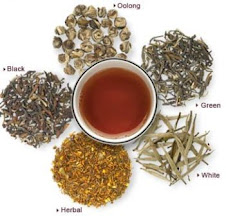
Tea is the most commonly consumed beverage in the world after water. Among all varieties of tea - black, green, white, oolong, red, herbal - which one offers the most health benefits?
Benefits of Tea
Numerous studies have demonstrated the anti-cancer properties of antioxidant polyphenols. Some studies have suggested that tea's polyphenols may reduce the risk of gastric, esophageal and skin cancers, if one consumes 4 to 6 cups daily. Other studies have found that polyphenols help prevent blood clotting and lower cholesterol levels. One Japanese study found that green tea lowers death rates from heart disease.
Tea: Black, Green, White or Oolong?
Black, green, white, and oolong teas derive their leaves from a warm-weather evergreen tree known as Camellia sinensis. The leaves from this tree contain polyphenols. The more processing tea leaves undergo, the darker they will turn. Green tea and white tea are the least processed tea. According to Dr. Doug Balentine, Director of Nutrition Health with Lipton, white tea is derived from the young new leaves from the Camellia plant in early spring. Black and oolong teas are partially dried, crushed and fermented. As we have mentioned before, regardless of the processing method, black, green, white and oolong teas all contain polyphenols. In fact, tea ranks as high as or higher than many fruits and vegetables in the ORAC score, a score that measures antioxidant potential of plant-based foods.
What about Herbal Tea and Red Rooibos Tea?
The recently popular South African red Rooibos tea also falls within the herbal tea or tisane category. "Red Rooibos tea is not really tea as it is not derived from the Camellia plant," Dr. Balentine said.
Tampilkan postingan dengan label oolong tea. Tampilkan semua postingan
Tampilkan postingan dengan label oolong tea. Tampilkan semua postingan
Minggu, 17 Agustus 2008

Minggu, 10 Agustus 2008
Tea - Powerful Antioxidant
Tea has been treasured through the ages for its mellow taste, delicate aroma and amazing health benefits. Around the world tea has become an integral part of many cultures, from English Breakfast and
There are dozens of varieties of tea, all made from leaves of the tea plant, Camellia sinensis. Most teas fall into one of three general classifications:
Green tea is made from relatively young leaves that are dried without fermentation.
Black tea is made from mature leaves that are moistened and aged, to promote fermentation.
Oolong tea is only partially fermented. Chinese oolong is aged longer than Formosan oolong.
We usually like to brew tea leaves for at least 3 minutes, in order to transfer the maximum level of beneficial phytonutrients from the leaf to the beverage.
To reduce the caffeine found in tea, either use naturally decaffeinated tea leaves or make your own decaf.
First brew the tea for 30 seconds and discard the water. Then add more hot water and brew the tea for 3 to 5 minutes to extract the polyphenols.
Brew your tea in a small amount of boiling hot water. Add spices such as cinnamon to sweeten the flavor and enhance the aroma.
When the weather turns warm, making homemade iced tea is a snap. When the tea is chilled you will have a delightful all-natural iced tea to enjoy with zero calories.
Langganan:
Postingan (Atom)